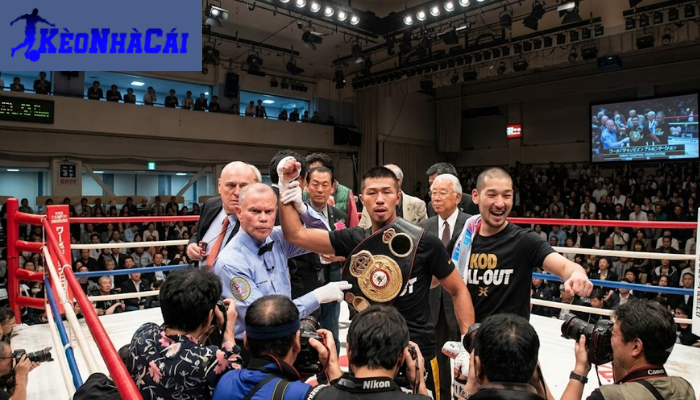
The Legacy of Takashi Uchiyama and the Super Featherweight Era
Beyond that, many fans who follow the keonhacai often look back at his championship run as a masterclass in tactical aggression and physical conditioning. A significant portion of analysts believe his ability to maintain a high pace while searching for a finishing blow is what truly defined his era. In addition, those who study the tỷ lệ kèo of his major title defenses remember how consistently he was favored to win by stoppage due to his incredible punching power.
What makes a fighter transition from being a mere champion to becoming a legendary figure in the history of Japanese boxing? Takashi Uchiyama achieved this status through a combination of late-blooming talent and a disciplined approach to the sweet science that few of his contemporaries could match. One thing very few actually pay attention to is that he did not turn professional until he was twenty-six years old, a relatively late start for someone who would go on to defend a world title eleven times. Notably, his amateur background provided a solid foundation of fundamentals that allowed him to bypass the typical growing pains associated with young prospects.
Building the Foundation of Knockout Dynamite
One thing very few actually pay attention to is the specific technical nuance that earned him his famous nickname. The power he possessed was not just a result of raw strength but rather a byproduct of perfect timing and weight transfer. For those who watched his early professional bouts, it was clear that his right hand was a weapon of mass destruction that could change the course of a fight in a single heartbeat. Beyond that, his jab served as a range-finder that kept opponents at a distance until he was ready to unleash his signature power shots.
The Rise to World Championship Glory
The pinnacle of his career began in early 2010 when he challenged for the WBA super featherweight title against Juan Carlos Salgado. This specific performance solidified the reputation of Takashi Uchiyama as a world-class elite athlete capable of handling the pressure of a major stage. He dismantled the champion with a relentless pursuit, eventually securing a twelfth-round technical knockout that shocked the boxing world. Another key aspect of this victory was the demonstration of his stamina, proving he could maintain his power late into the championship rounds.
Technical Mastery and Training Philosophy of Takashi Uchiyama
How does an athlete maintain such a high level of performance over the course of a six-year title reign? The training regimen adopted by this legendary boxer was famously rigorous, focusing on explosive power and core stability. Notably, he often trained at the Watanabe Gym in Tokyo, where he became a mentor for younger fighters looking to replicate his success. A significant portion of his success can be attributed to his mental fortitude and his ability to remain calm under the bright lights of televised main events.
Defensive Responsibilities and Ring Generalship
While his offense garnered the most headlines, his defensive capabilities were equally impressive and often undervalued by casual observers. Takashi Uchiyama utilized a high guard and subtle head movement to minimize the damage taken during high-intensity exchanges. Beyond that, his footwork allowed him to cut off the ring effectively, forcing opponents into corners where they had no choice but to engage with him. In addition, his ability to read an opponent’s rhythm meant he was rarely caught off guard by unexpected counters.
Impact on Japanese Professional Boxing
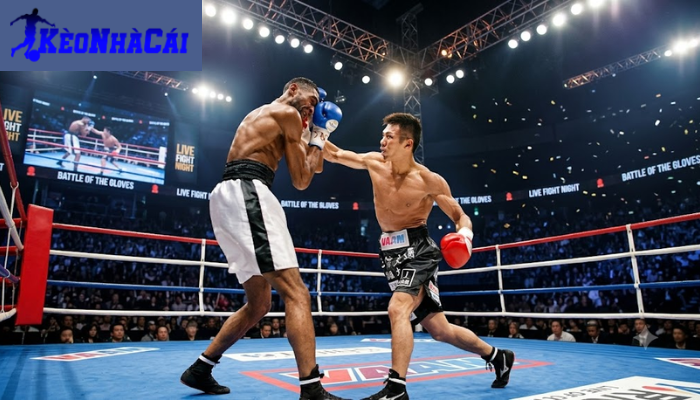
The influence of his career extends far beyond his personal win-loss record as he helped usher in a new golden age for the sport in his home country. For those who follow the domestic scene, his presence on New Year’s Eve boxing cards became a cultural tradition that drew millions of viewers. A significant portion of the current crop of Japanese champions cites his reign as a primary source of inspiration for their own professional journeys. One thing very few actually pay attention to is how his humble demeanor outside the ring contrasted with his ferocity inside it, making him a beloved figure across all demographics.
Analyzing the Strategic Approach to Championship Defenses
What allowed him to turn away eleven consecutive challengers during one of the most competitive eras in the division’s history? Each defense was approached with a specific tactical blueprint tailored to the strengths and weaknesses of the challenger. In many instances, the tỷ lệ kèo reflected his dominance, showing how much faith the public and experts had in his ability to retain the belt. Notably, he faced a diverse array of styles, from slick out-boxers to rugged brawlers, and found a way to neutralize them all.
The Art of the Comeback: Turning Injury into Internal Edge
Every great champion must eventually face setbacks, and his career was no exception to this rule of sports. Takashi Uchiyama dealt with several hand injuries throughout his tenure, which often forced him to adapt his punching technique and training methods. Another key aspect of his resilience was his ability to come back from these layoffs without losing the explosive power that defined his style. Beyond that, he showed immense heart in bouts where he was pushed to the limit, proving that his chin was just as reliable as his fists.
Blood Feuds That Rewrote the Record Books
Greatness is often measured by the quality of one’s opposition, and his resume is filled with respected names in the sport. The battles he engaged in were not just physical contests but psychological wars that required immense focus. For those who appreciate the nuances of the sport, watching him systematically break down a high-level opponent was a form of athletic art. Notably, even in his eventual defeats, he displayed the grace and dignity of a true sportsman, further cementing his legacy in the hearts of fans.
The Cultural Significance of a Long Term Reign
Beyond the statistics and the belts, what does it mean for a fighter to represent their nation on the global stage for so long? Takashi Uchiyama became a symbol of consistency and excellence, proving that age is just a number if the dedication to the craft remains absolute. A significant portion of his legacy is tied to the way he carried himself as a representative of the sport, avoiding controversy and focusing entirely on his professional responsibilities. Another key aspect of his career was the transparency he showed regarding his preparation, often allowing media access to his grueling camp sessions.
Life After the Professional Ring
Transitioning away from the spotlight is often difficult for elite athletes, but he has navigated this phase of his life with the same poise he showed in the ring. He has remained active in the boxing community, providing commentary and sharing his wealth of knowledge with the next generation. In addition, his business ventures and public appearances continue to draw crowds, proving that his popularity has not waned since his retirement. For those who followed his journey from the beginning, seeing him succeed in his post-fight career is a testament to his character.
Evaluating the Historical Standing of Knockout Dynamite
Where does he rank among the all-time greats of the lower weight classes? While debates will always persist among historians, few can deny that Takashi Uchiyama was the premier super featherweight of his generation. His combination of a high knockout percentage and a long list of title defenses puts him in an elite category of fighters. Notably, his impact on the sport is still felt today as trainers use footage of his fights to teach the importance of balance and punch selection.
Conclusion
Why do we continue to celebrate the career of such a disciplined and powerful athlete years after his final bell? The story of Takashi Uchiyama is one of perseverance, technical brilliance, and the relentless pursuit of perfection in a brutal sport. His journey serves as a reminder that success is built on the foundation of hard work and a deep understanding of one’s craft. When looking at the tỷ lệ kèo of future championship bouts, analysts still use his dominant reign as the gold standard for what a true champion should look like. Explore the history of great champions today and join the conversation about boxing legends. Register now to stay updated on the latest sports analysis and historical deep dives.